

Paris Catacombs: What to See
Explore the most captivating highlights of the Catacombs of Paris. From the haunting ossuary with millions of arranged bones to the ancient limestone quarries, discover what makes this underground labyrinth one of Europe’s most unique attractions.
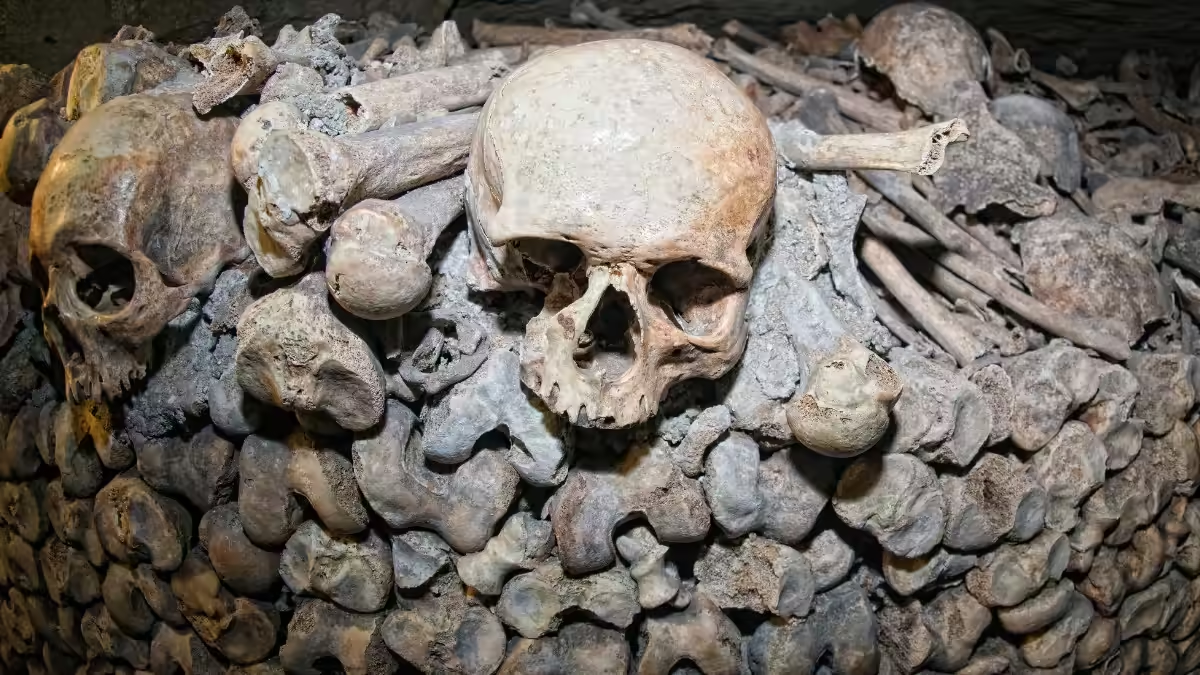
Top Highlights at Paris Catacombs
The headline sights and experiences most visitors want to see first.
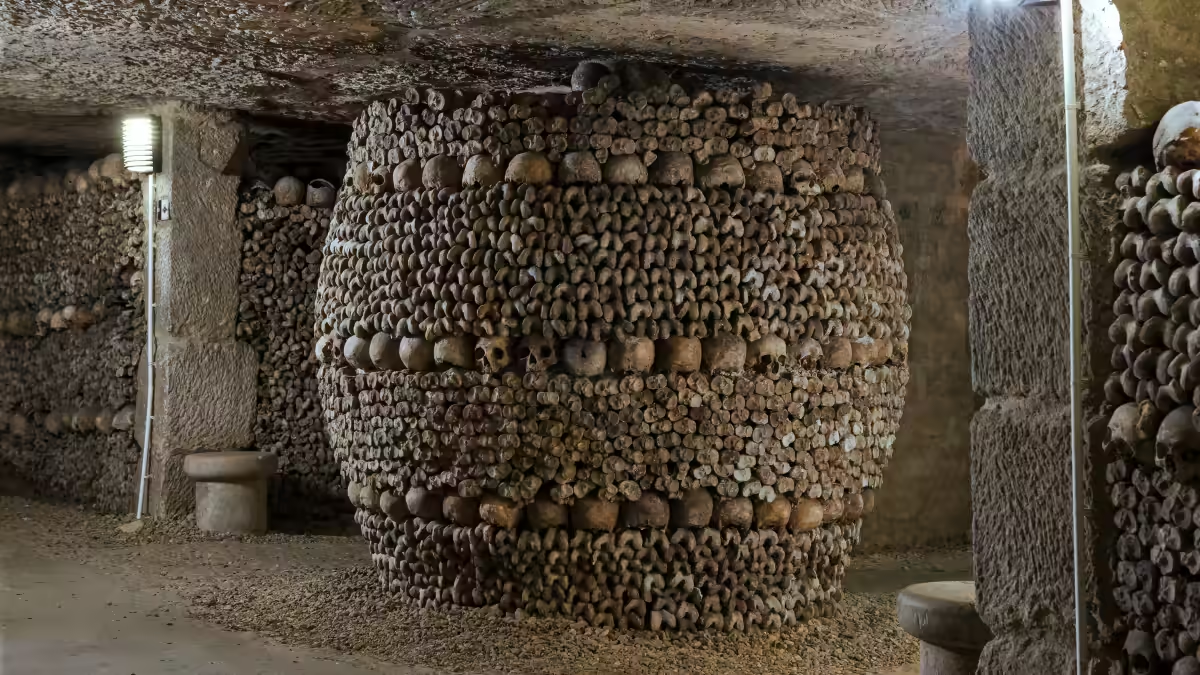
Ossuary Bones & Wall Patterns
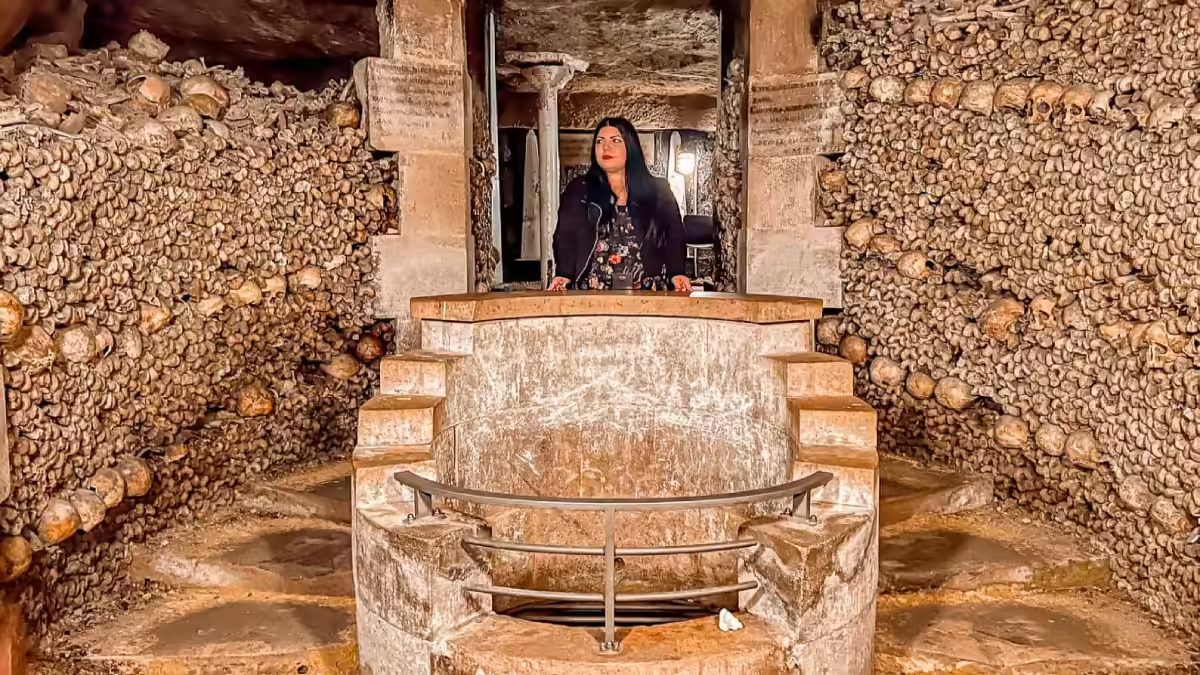
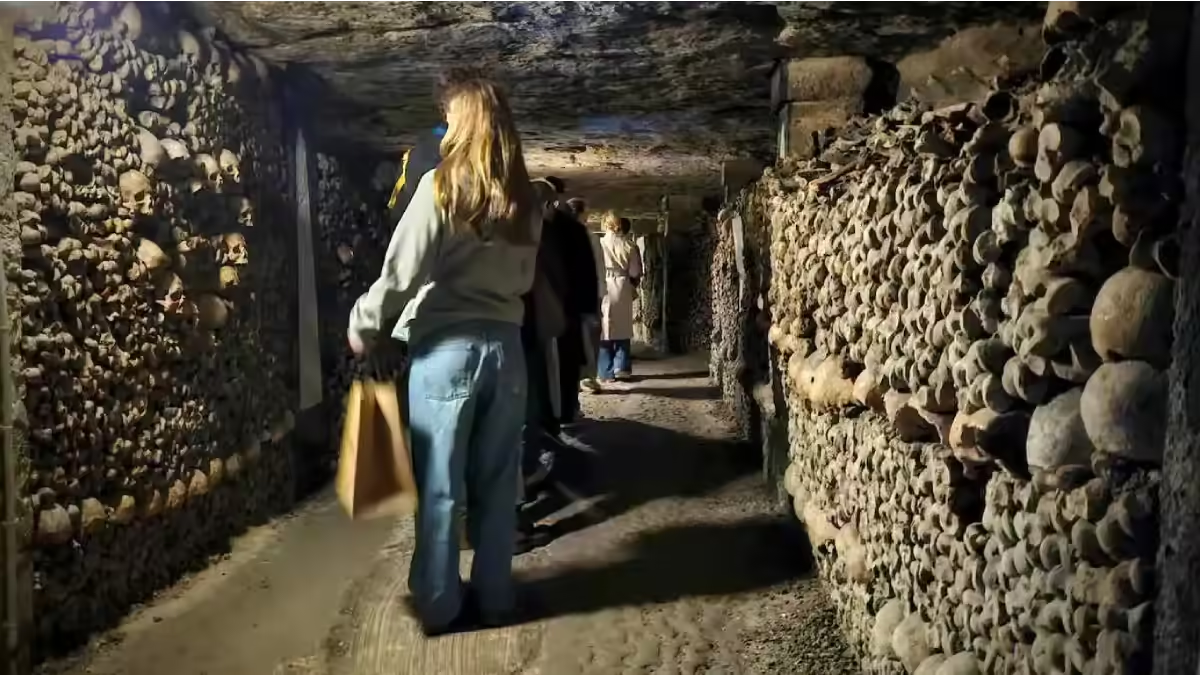
The ossuary’s bone walls are the centrepiece of the Catacombs visit — six million remains arranged into crosses, hearts, and geometric patterns with carved mortality inscriptions. The sheer scale and deliberate artistry make this the most visually striking and emotionally intense section underground.
Explore →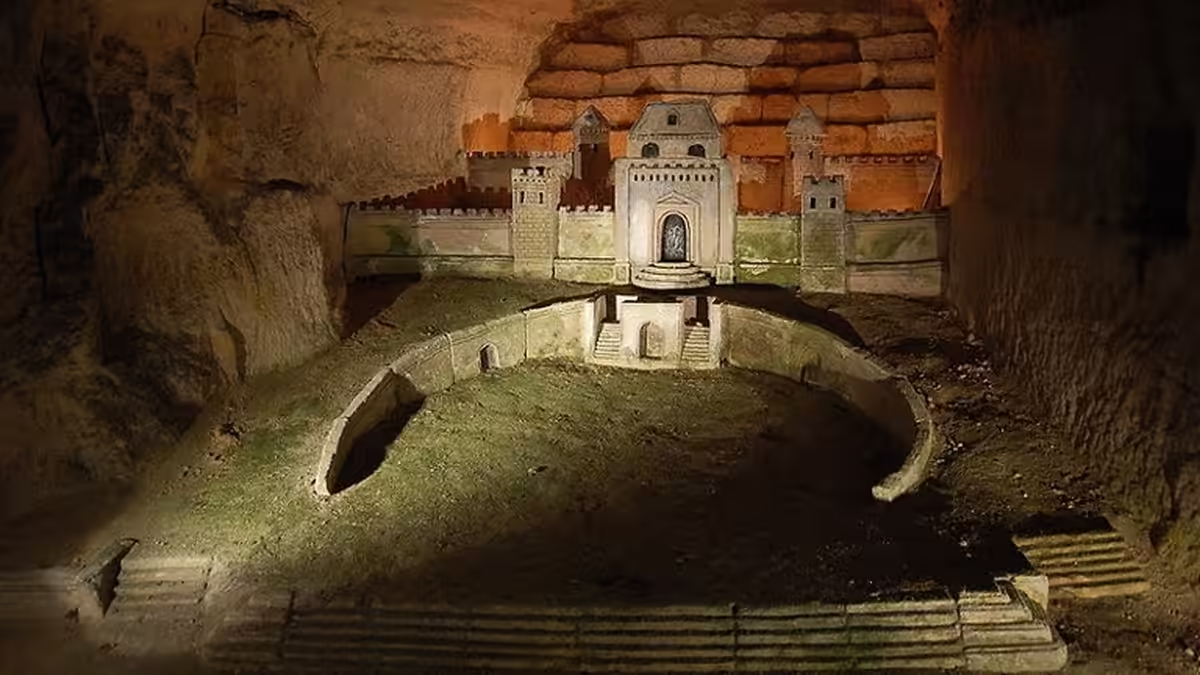
Sculptures & Artworks, Paris Catacombs
Among the bone-lined corridors, hand-carved sculptures like the Port-Mahon fortress model and the Fontaine de la Samaritaine reveal centuries of quarry craftsmanship predating the ossuary itself. These unexpected artworks add historical depth that most visitors walk right past.
Explore →The History Behind Paris Catacombs
How millions of bones ended up beneath the streets of Paris.
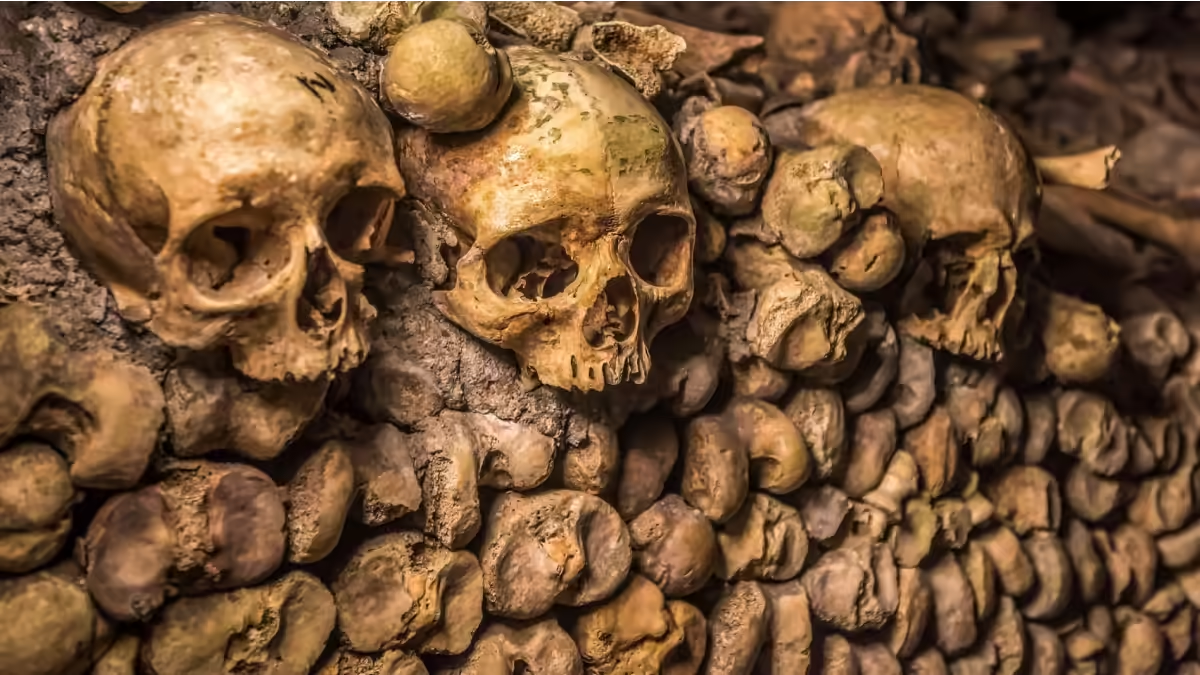
History: Quarries to Ossuary
Discover how Roman-era limestone quarries transformed into the world’s largest ossuary when Paris needed burial space. Six million skeletons were carefully arranged between 1786 and 1809, creating an intricate underground monument to the city’s past.
Read guide →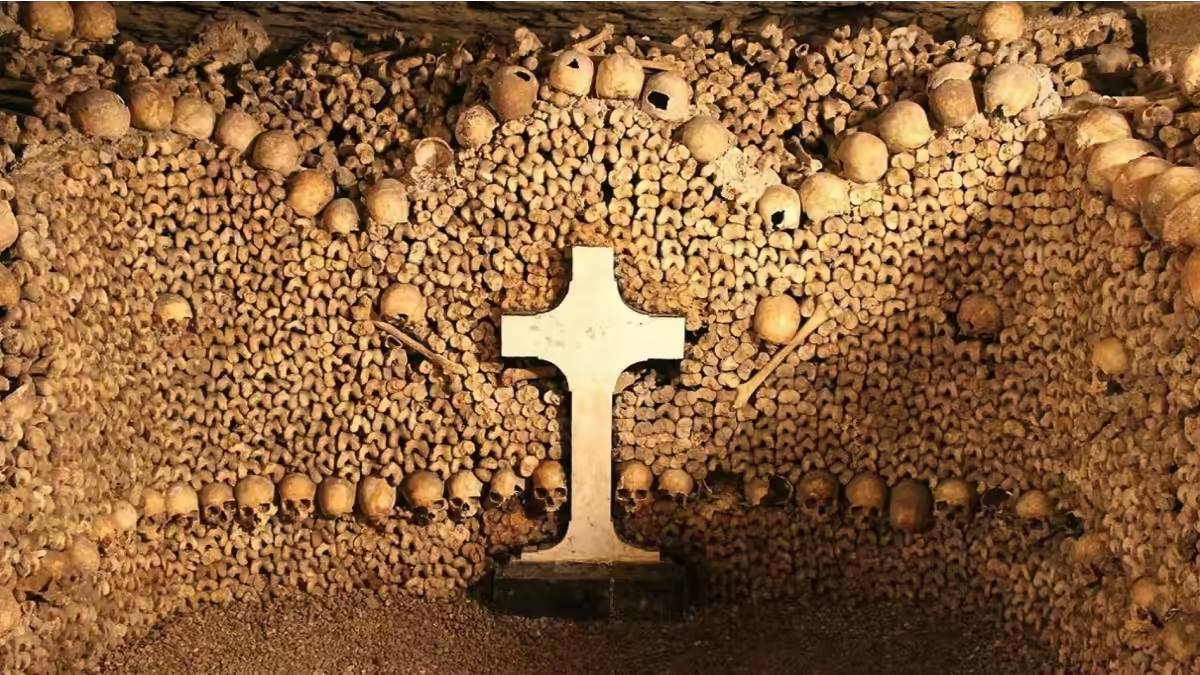
Reopening: New Route & Features
The 2026 reopening brought major upgrades to your visit. Explore a newly designed route with an enhanced audio guide and advanced climate control that creates a more comfortable, immersive experience of this historic site.
Read guide →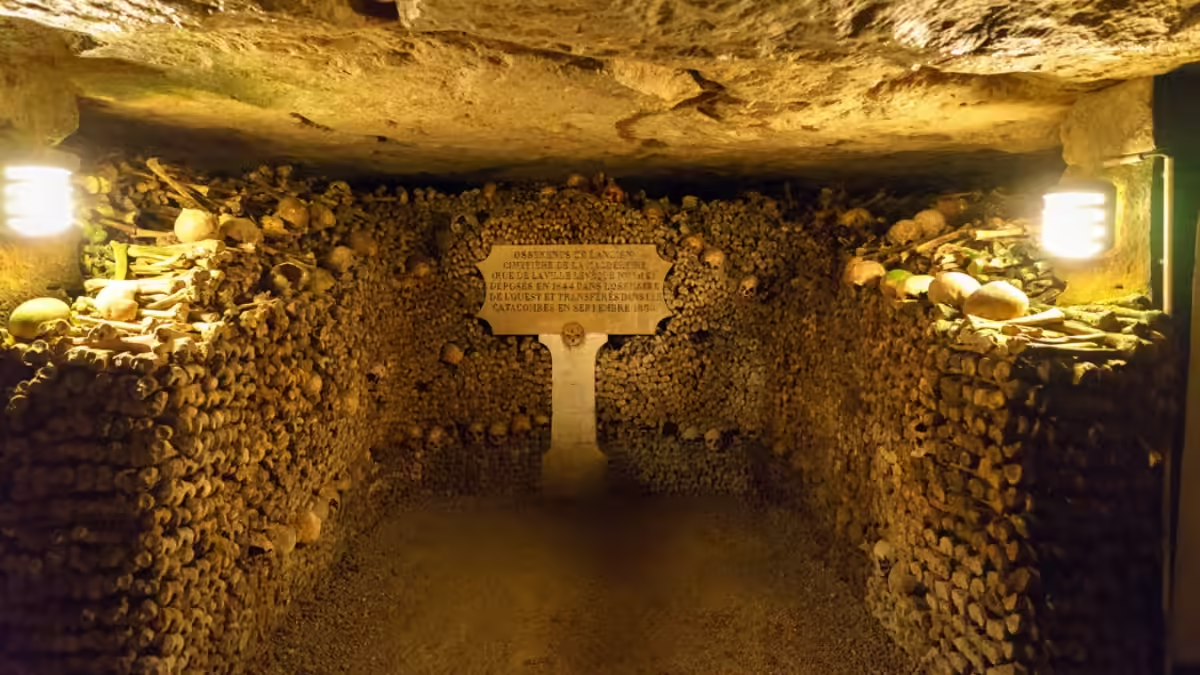
Catacombs in Popular Culture
From the horror film *As Above, So Below* to Queens of the Stone Age’s live album, the Catacombs have captured cultural imaginations. Discover how this underground ossuary appears in film, music, literature, video games, and visual art worldwide.
Read guide →Exploring the Paris Catacombs Underground World
The quarries, tunnels, and secret explorers beneath the city.
Paris Underground Quarry Network
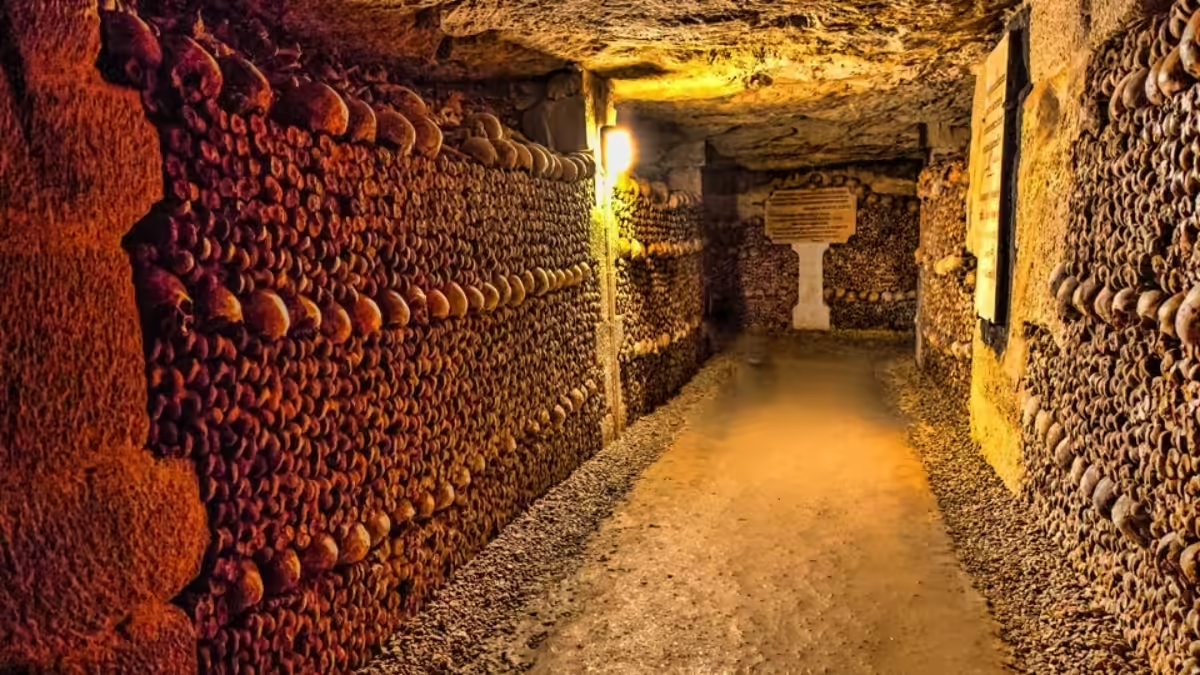
The Paris Catacombs are just a tiny secured section of a vast 200–300km limestone quarry network beneath the city. Learn how medieval miners cut these tunnels, why their extraction caused street collapses, and what remains unexplored.
Read guide →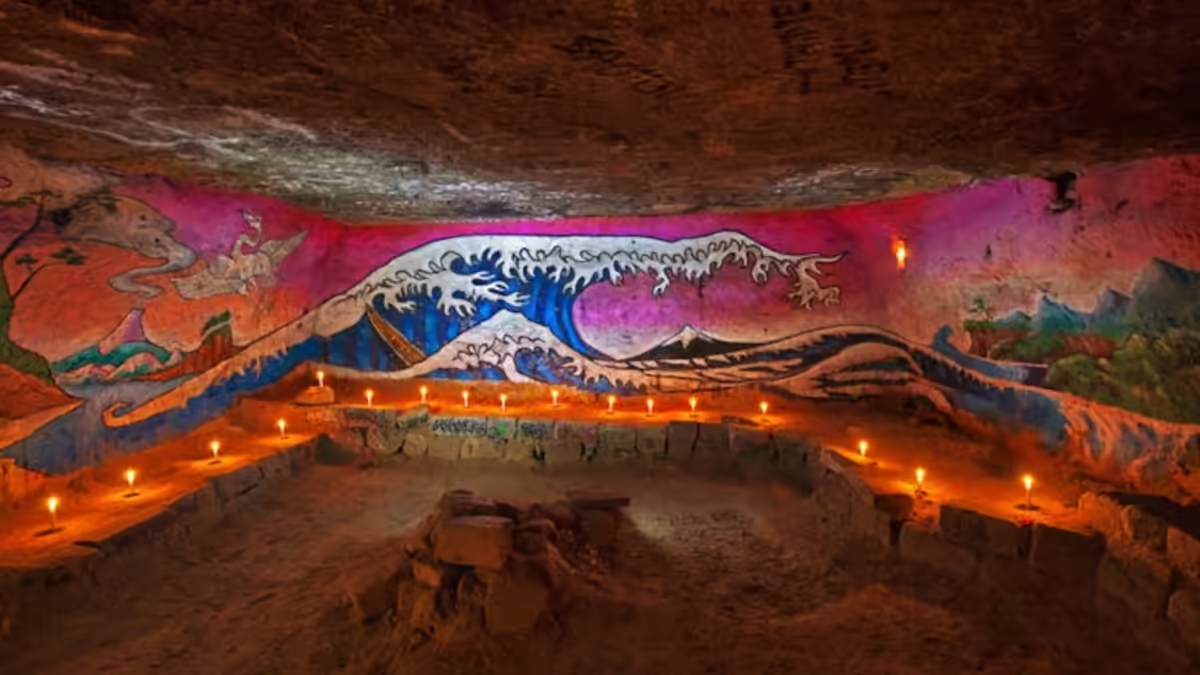
Cataphiles & Forbidden Tunnels
Cataphiles are urban explorers who illegally venture into Paris’s vast quarry network to map tunnels and uncover hidden spaces. Learn what drives them, the dangers they face, and how their underground world differs from the official Catacombs tour.
Read guide →How to Choose What to See at Paris Catacombs
A quick guide based on your interests and visit style.
First Time Underground
Never descended into the Catacombs before? Focus on the essentials that make this place unlike anything else in Paris.
- Walk the ossuary corridor where six million remains are arranged in hauntingly precise patterns
- Learn why bones were moved here in the quarries-to-ossuary history
- Check the 2026 reopening upgrades — the new route and lighting transform the experience
Architecture & Engineering Fans
The Catacombs sit inside a Roman-era quarry network that literally holds Paris up — and the engineering story is extraordinary.
- Explore the 200–300km quarry network that supplied the limestone for Notre-Dame and the Louvre
- Study the hand-carved sculptures created by quarry workers deep underground
- See how the 2026 renovation redesigned the visitor route through previously sealed sections
Dark History Seekers
If you’re drawn to the macabre, the rebellious, and the hidden side of Paris, the Catacombs deliver on every level.
- Discover the cataphile subculture that illegally explores forbidden tunnels beneath the city
- Trace how the mass bone transfers solved an 18th-century public health crisis
- See how the tunnels inspired horror films and music in popular culture
Only Have One Hour
The standard visit takes about 45 minutes — here’s how to make every minute count underground.
- Head straight for the ossuary bone walls — they’re the emotional peak of the entire visit
- Pause at the Port-Mahon sculptures, hand-carved by a single quarry worker over years
- Skim the new route details before you go so you know exactly what to watch for
Continue Exploring Paris Catacombs
Book your tickets and plan the practical details of your visit.
Frequently Asked Questions
Common questions about what to see and prioritise.