

Is the Paris Catacombs scary?
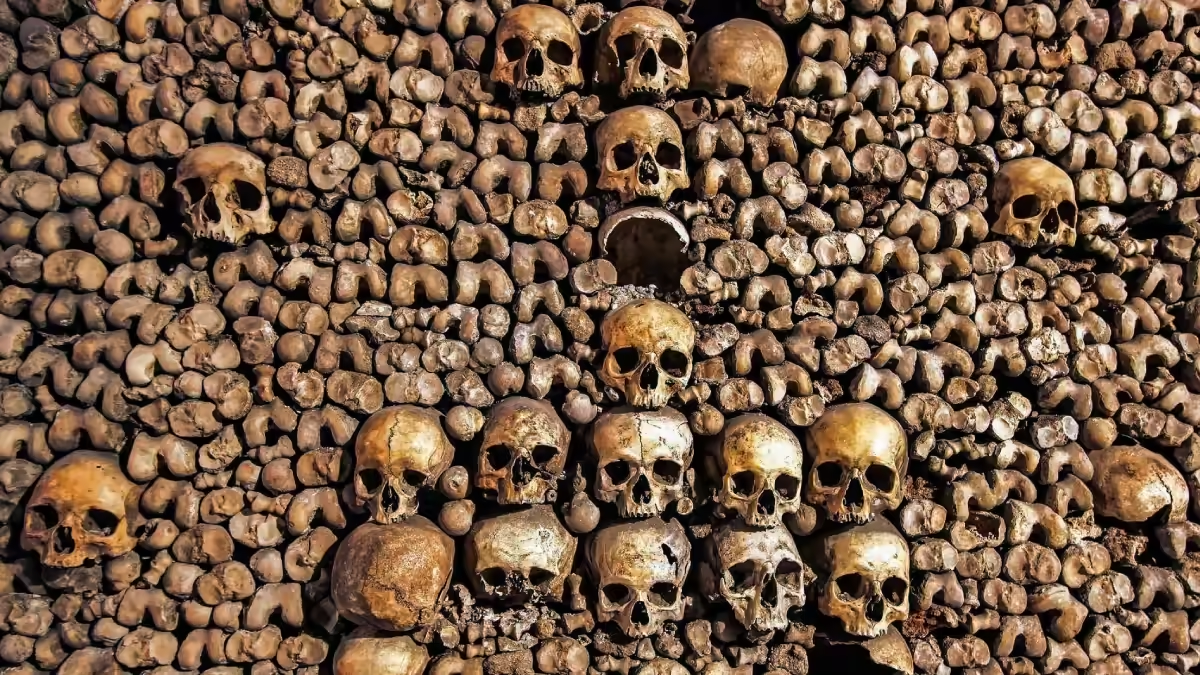
The Paris Catacombs are atmospheric and sombre rather than frightening in a horror-attraction sense — there are no jump scares or theatrics, just dim lighting, cool tunnels and walls of real human remains. What some visitors find unsettling is the scale of the bones and the confined, one-way route, especially those with claustrophobia. Treated with the right mindset, it’s a reflective experience, not a scary one.
The Catacombs’ eerie reputation precedes them, helped along by horror films and urban legend, so it’s fair to arrive wondering whether you’re in for a genuine fright. The honest answer is more nuanced than either extreme: it isn’t staged to scare you, but it isn’t a neutral museum experience either.
This guide covers what actually makes people uneasy underground, who might struggle with it, and how to prepare yourself or someone nervous in your group before you book.
Is It a Haunted-House Experience?
No. There are no actors, jump scares or sound effects designed to frighten you — the Catacombs are a real ossuary, presented with the same restraint as a war memorial rather than a horror attraction. The atmosphere comes from dim lighting, cool stone tunnels and the presence of real human remains, not from anything staged. Its reputation as “scary” owes more to films and urban legend than to the actual visit.
Popular culture has done a lot of the work here — the 2014 horror film As Above, So Below was shot partly on location, and the site’s association with cataphiles and urban exploring adds to its dark mystique. The real visit is quieter and more considered than any of that suggests: signage, staff and the pacing of the route all treat it as what it is, a tomb, rather than a set piece.
What Actually Unsettles People
The two things visitors most often mention aren’t jump scares but scale and confinement. Walking past walls built from the skulls and femurs of around six million people, arranged deliberately rather than hidden away, can be genuinely affecting — see our guide to the ossuary for how and why that arrangement was done. Separately, the tunnels themselves are narrow in places, dimly lit, and the route is strictly one-way with no way back, which can be uncomfortable for anyone prone to claustrophobia regardless of how they feel about the bones.
The cold, the 131-step descent, and the fact that you’re roughly 20 metres underground for the best part of an hour add to the sense of being somewhere removed from ordinary life. None of this is designed to frighten — it’s simply the reality of a 19th-century ossuary in a former quarry — but it’s worth knowing in advance rather than discovering it mid-visit.
A Reflective Experience, Not a Horror Show
The site is treated with real respect by those who run it: inscriptions on mortality are carved into the walls, the lighting since the 2026 renovation is designed to be atmospheric rather than gloomy for effect, and the tone throughout is closer to memento mori than macabre thrill. Most visitors describe leaving with a sense of quiet reflection on mortality and history rather than a fright.
Staff are present throughout the route, and the site maintains modern fire-safety, air-handling and lighting systems following the renovation, so it’s a well-monitored environment despite the underground setting. If you’re wondering whether the whole trip is worthwhile given the atmosphere, our honest review of whether the Catacombs are worth visiting weighs the experience in full.
How to Prepare a Nervous Visitor
If you or someone in your group is anxious about the visit, a little preparation goes a long way. Explaining in advance what you’ll actually see — orderly walls of bone, carved inscriptions, dim but steady lighting — tends to help more than avoiding the subject. Reviewing our rules and etiquette guide beforehand also sets expectations: no touching the bones, respectful noise levels, and a generally calm atmosphere among other visitors.
For children specifically, our guide to visiting the Catacombs with kids has age-by-age advice on whether and how to bring them. For anyone with claustrophobia, knowing that the route is one-way with no quick exit is important context — pacing yourself and staying near the front or back of your group, away from any bottleneck, can also help.
Frequently Asked Questions
Is the Paris Catacombs actually scary?
Not in a horror-attraction sense — there are no actors, jump scares or staged frights. It’s atmospheric and sombre, with dim lighting and real human remains arranged into walls, which some visitors find moving rather than frightening. The main source of unease for most people is the scale of the bones and the confined tunnels, not anything designed to startle you.
Is it OK for people with claustrophobia?
It can be difficult. The tunnels are narrow in places, the lighting is dim, and the route is strictly one-way with no way to turn back once you’ve started. Staff are positioned along the way if needed, but there’s no quick exit partway through. Anyone with significant claustrophobia should weigh this carefully before booking.
Will I see actual human bones?
Yes. The ossuary is built from real human remains — skulls and femurs, mostly — arranged into wall patterns from 1809, holding the remains of around six million people moved here from Paris’s overflowing cemeteries. It’s presented as a memorial rather than a display, with carved inscriptions on mortality rather than any sensationalised staging.
Is it darker or more frightening since the 2026 renovation?
No — if anything, the opposite. The renovation introduced new, carefully designed lighting that highlights detail in the walls while keeping the subdued atmosphere intended for a memorial site, rather than making it gloomier or more theatrical. The overall tone remains reflective, not designed to frighten.
Are there jump scares, actors or special effects?
No. Unlike some horror-themed attractions, the Catacombs have no actors, sound effects or staged scares anywhere on the route. What you experience is the genuine site: quarry tunnels, carved inscriptions, and the ossuary itself, narrated by an audio guide rather than performed at you.
Is it too intense for children?
It depends on the child. Very young children (roughly under 4–5) are generally not recommended for the visit, given the length, the cold and the subject matter, but older children who understand what they’re seeing often find it fascinating rather than frightening. Our guide to visiting with kids covers this by age group.
Is the Catacombs like the horror film “As Above, So Below”?
No. That 2014 film, partly shot on location, is a fictional horror story and not representative of the real visitor experience. The genuine visit is a managed, respectful walk through a historic ossuary with staff present throughout — nothing like the film’s supernatural plot. It’s worth separating the site’s pop-culture reputation from what you’ll actually see.
How can I make the visit less unsettling for myself or someone nervous?
Read up beforehand so there are no surprises, and know that the route is calm, well-lit for its setting, and staffed throughout. Going with a live guide rather than alone can help too, since you can ask questions as you go. Our rules and etiquette guide is a useful primer on what to expect once inside.
